
Community
He was found wearing a belt with the initials 'RB' in Humble in 1987. Who was he?
By Fatima Rogers
Advertisement · Why this ad?
Fatima Rogers is a proud Arlington resident with a degree in Communications from the University of Dallas. With five years of reporting experience at local news outlets, she has a keen understanding of community issues and the diverse voices within it.
More from Fatima →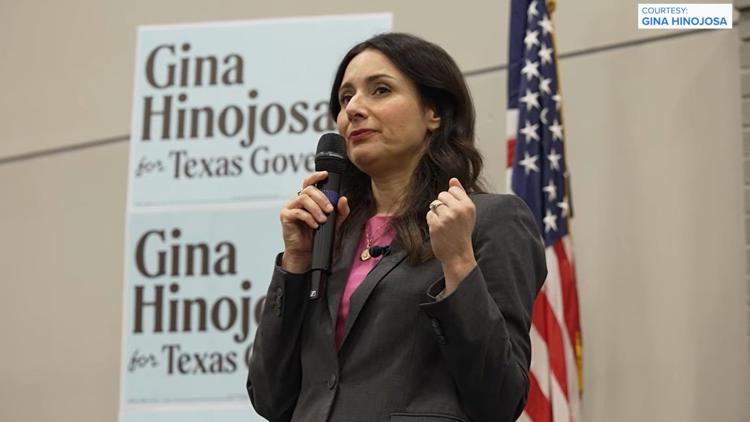
In the heart of Arlington, where the spirit of community thrives, residents are holding their breath in anticipation of a potential financial windfall. Picture a bustling Saturday morning at the local farmers market, where families gather to enjoy fresh produce and homemade goods. Conversations swirl around the prospect of a $1,500 payment, a lifeline that could help many bridge the gap in these challenging times. This vision was recently brought to the forefront by Texas Governor-elect Gina Hinojosa, who proposed utilizing $17 billion from the state’s rainy-day fund to make it a reality.
On the campaign trail, Hinojosa made headlines with her bold proposal to distribute $1,500 payments to Texans. This plan aims to provide financial relief to families struggling with the rising cost of living and inflation. The governor-elect's proposal is not just a number; it represents hope for many households across the state. However, while the idea has garnered significant support, the specifics of how and when these payments will be distributed remain unclear.
Currently, no payment or distribution date has been approved, leaving many residents wondering when they might see this financial assistance. The rainy-day fund, which Hinojosa plans to tap into, is designed to provide a buffer during economic downturns, making it a suitable source for this kind of relief. However, the proposal will need to navigate through the legislative process before it can become a reality.
The response from the Arlington community has been overwhelmingly positive. Local residents are excited about the potential for extra cash in their pockets, especially as they face rising expenses. “This could really help families like mine,” said Maria Gonzalez, a mother of three who works two jobs to make ends meet. “Every little bit counts, and $1,500 could mean a lot for us.”
Many families are already discussing how they would use the funds—be it for groceries, school supplies, or saving for emergencies. The prospect of financial relief has sparked conversations about budgeting and financial planning among neighbors, highlighting the interconnectedness of the community. As families gather to share their hopes for the future, the potential payments have become a symbol of resilience and support.
In a state where the cost of living has steadily increased, the need for financial assistance is more pressing than ever. The economic landscape has shifted dramatically, and many families are feeling the squeeze. According to recent reports, inflation has affected everything from housing costs to everyday goods, making it difficult for families to maintain their standard of living.
Hinojosa’s proposal could serve as a much-needed boost for those who have been disproportionately affected by these economic changes. By providing direct payments, the initiative aims to alleviate some of the financial burdens that families face, allowing them to focus on what truly matters: their health, wellbeing, and the future of their children.
In Arlington, the potential for these payments resonates deeply with the community's diverse population. Take, for instance, the story of James and Linda Thompson, retirees who have lived in Arlington for over 30 years. With fixed incomes, they often find it challenging to keep up with rising utility bills and healthcare costs. “A payment like this would allow us to breathe a little easier,” Linda shared. “We could finally afford to get the repairs done on our home that we’ve been putting off.”
Meanwhile, younger residents like 22-year-old college student Sarah Kim express similar sentiments. Balancing school and part-time work, she struggles to afford tuition and living expenses. “Every semester feels like a juggling act,” Sarah explained. “If I received that $1,500, it would help cover my textbooks and maybe even let me take a few less shifts at work.”
As the proposal moves forward, residents are eager to learn more about the next steps. Hinojosa's plan will need to be presented to the Texas Legislature, where lawmakers will discuss the feasibility of the payments and the best way to implement them. This process will require careful consideration and collaboration among various stakeholders, including state officials and community leaders.
Community members are encouraged to stay engaged and informed as the discussions unfold. Local organizations, such as the Arlington Chamber of Commerce, are actively advocating for the needs of residents and providing updates on the legislative process. It’s crucial for families to voice their support for the initiative and share their stories, as personal testimonies can have a significant impact on decision-makers.
In addition to individual stories, grassroots movements are emerging in Arlington, rallying support for Hinojosa’s proposal. Community meetings are being organized, where residents can come together to discuss their experiences and strategize on how to effectively communicate their needs to lawmakers. These gatherings not only strengthen community bonds but also empower residents to take an active role in shaping their future.
Local advocacy groups are also leveraging social media to amplify their message. Campaigns highlighting the struggles of everyday Texans are gaining traction, creating a sense of urgency around the need for financial relief. “We want our voices to be heard,” said community organizer David Ramirez. “This isn’t just about a one-time payment; it’s about creating a system that supports families in the long run.”
While the immediate focus is on the potential $1,500 payments, the long-term implications of Hinojosa’s proposal could be even more significant. If approved, this financial relief could pave the way for further discussions about economic support and social safety nets for families across Texas. It may inspire future initiatives aimed at addressing systemic issues related to poverty and economic inequality.
For Arlington residents, this proposal represents more than just a payment; it embodies a commitment to community and support for families striving to achieve the American dream. As the state navigates these discussions, it’s essential to remember the importance of strong families and intact communities in fostering a thriving society.
In conclusion, while the journey to secure these payments is just beginning, the spirit of Arlington shines brightly through the hope and resilience of its residents. As they come together to support one another and advocate for essential changes, the potential for a brighter future remains within reach. Let’s continue to follow this story closely, as the outcome could have lasting effects on the lives of many families in our beloved community.
By Fatima Rogers
By Fatima Rogers

By Fatima Rogers

By Fatima Rogers