Community
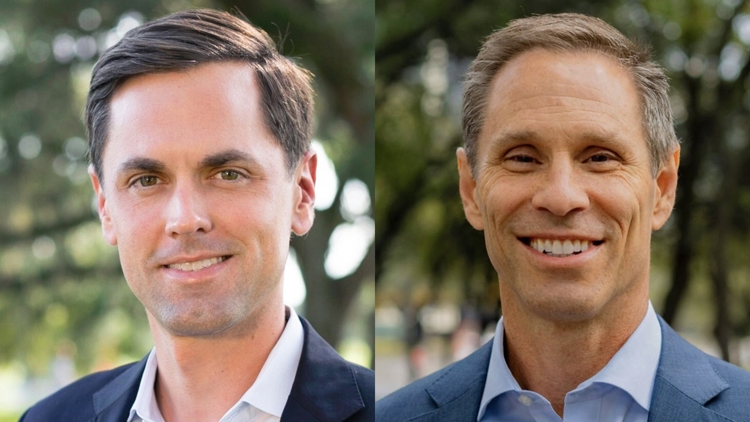
Texas election results: Mayes Middleton, Nathan Johnson vie for Texas Attorney General
By Fatima Rogers
Advertisement · Why this ad?
Fatima Rogers is a proud Arlington resident with a degree in Communications from the University of Dallas. With five years of reporting experience at local news outlets, she has a keen understanding of community issues and the diverse voices within it.
More from Fatima →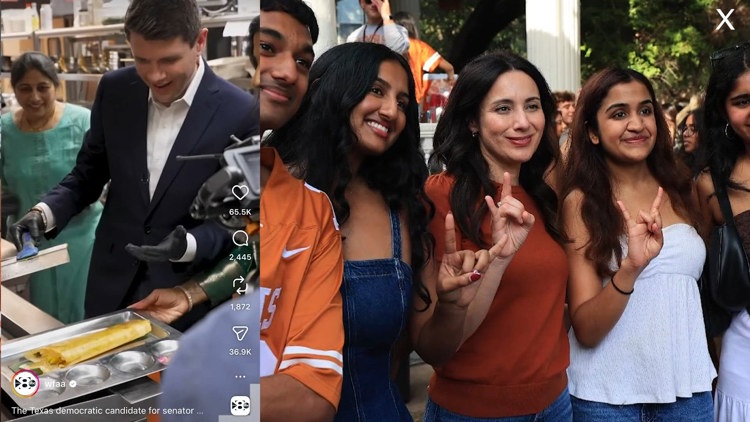
On a warm evening in Arlington, Texas, a group of South Asian Texans gathered at a local community center, their faces lit with determination and hope. Among them was Aisha Khan, a mother of two, who spoke passionately about the need for representation and unity in the face of rising anti-immigrant rhetoric. "Hate was on the ballot this election cycle," she said, her voice steady. This gathering was not just a meeting; it was a movement, a testament to the growing political consciousness among South Asians in Texas.
This past election cycle marked a significant turning point for South Asian Texans, who have increasingly become a vital political force in the state. Their emergence was underscored by the recent backlash against controversial remarks made by Bo French, a candidate whose anti-immigrant sentiments sparked outrage within the community. The election of Texas's first Indian American House member, who won a seat in the Texas Legislature, further highlighted this shift.
The community's response to French's comments was swift and resolute. Many South Asians took to social media and organized rallies, expressing their discontent with the hateful rhetoric that seemed to permeate the campaign. This collective action not only galvanized voters but also showcased the power of unity among diverse immigrant communities in Arlington.
As the dust settled on the election, it became clear that the South Asian community was no longer an invisible demographic. They had mobilized, voted, and made their voices heard, proving that they were an essential part of the fabric of Texan society.
The response from the South Asian community in Arlington was overwhelmingly positive following the election results. Many felt a renewed sense of hope and empowerment. Local leaders, such as community activist Ravi Patel, emphasized the importance of representation. "We are no longer just bystanders in the political process; we are here to stay and make a difference," he declared at a post-election gathering.
Community members expressed their feelings about the election and the implications of having representation in the House. "It’s not just about having someone who looks like us in office, but someone who understands our struggles and fights for our rights," said Samira Iyer, a local business owner. This sentiment resonated deeply, as many felt that their unique experiences as immigrants needed to be highlighted in policy discussions.
This election cycle has become a rallying point for the South Asian community, with many individuals sharing their stories and experiences of discrimination and resilience. Events like community forums and town halls have been organized to discuss the implications of these electoral changes, allowing residents to voice their concerns and hopes for the future. The enthusiasm at these gatherings is palpable, with attendees eager to engage in discussions about how to continue building political power and representation.
The mobilization of South Asians in Arlington is a testament to the power of grassroots activism. Organizations like the Austin Asian American Resource Center played a crucial role in educating voters about the importance of their participation in the electoral process. Workshops on voter registration and civic engagement were held in various languages, ensuring that language barriers did not hinder participation.
In addition to voter education, community members organized events to foster dialogue and understanding among different cultural groups. These initiatives have not only strengthened ties within the South Asian community but have also created alliances with other immigrant groups, amplifying their collective voice. Events such as cultural festivals and interfaith dialogues have been instrumental in building bridges and fostering a sense of belonging among diverse communities.
The anti-immigrant rhetoric that surfaced during the election cycle had a profound impact on the South Asian community. It served as a wake-up call, prompting many to confront the realities of discrimination and xenophobia that they had previously overlooked. As Aisha Khan noted, "We can no longer afford to be silent. Our children deserve to grow up in a community that embraces diversity, not one that fears it."
This sentiment was echoed by others who shared their personal experiences with discrimination. Stories of being targeted for their ethnicity or facing hostility in public spaces became common in conversations among community members. These narratives not only highlighted the challenges they faced but also underscored the importance of standing together against hate.
Local schools and organizations have begun to recognize the importance of addressing these issues head-on. Workshops that focus on cultural competency and anti-bullying have been introduced to help students understand and appreciate the diversity that exists within their classrooms. These educational initiatives aim to foster an environment where all students feel safe and valued, regardless of their background.
In response to the challenges posed by anti-immigrant sentiments, South Asian Texans are actively working to build a stronger community. Initiatives focused on cultural awareness and education have emerged, aiming to foster understanding and acceptance among diverse groups. Local schools have begun incorporating multicultural curricula, celebrating the rich tapestry of cultures that make up Arlington.
Moreover, community leaders are advocating for policies that protect the rights of immigrants and promote inclusivity. Collaborations with local government and organizations have led to the establishment of workshops and forums where residents can voice their concerns and suggestions. These platforms provide a space for community members to engage with local leaders and influence decisions that affect their lives.
As part of these efforts, the South Asian community has also been proactive in addressing economic disparities. Initiatives aimed at supporting small businesses owned by immigrants have emerged, with local entrepreneurs sharing resources and expertise to help each other thrive. This economic empowerment is seen as a crucial component of building a resilient community.
As Arlington moves forward, the South Asian community is poised to continue its momentum. With the recent election serving as a catalyst for change, many are eager to see how their newfound political power will shape the future of their community. Plans are already in motion for upcoming events aimed at further engaging voters and raising awareness about critical issues affecting their lives.
In addition to political engagement, community members are also focusing on fostering economic empowerment through entrepreneurship and education. By supporting local businesses and investing in the next generation, they hope to create a sustainable future for their families and neighborhoods.
Furthermore, the community is looking to build on the current political momentum by establishing mentorship programs that connect younger South Asians with established leaders in various fields. This initiative aims to inspire the next generation of activists, entrepreneurs, and public servants, ensuring that the voices of South Asians continue to resonate in Arlington and beyond.
The journey for South Asian Texans in Arlington is just beginning, but their commitment to unity, representation, and resilience is unwavering. As they navigate the complexities of their identities and the challenges of an ever-changing political landscape, they remain hopeful that love and understanding will triumph over hate.
By Fatima Rogers
By Fatima Rogers

By Fatima Rogers

By Fatima Rogers