
Health
Tarrant County health officials urge flu vaccinations as season begins
By Carmen Silva
Advertisement · Why this ad?
Priya Sharma, a graduate in Public Health from the University of Texas at Arlington, has spent the last three years reporting on health issues in the local community. She previously worked as a health reporter for a regional NPR station, where she developed a passion for public health advocacy.
More from Priya →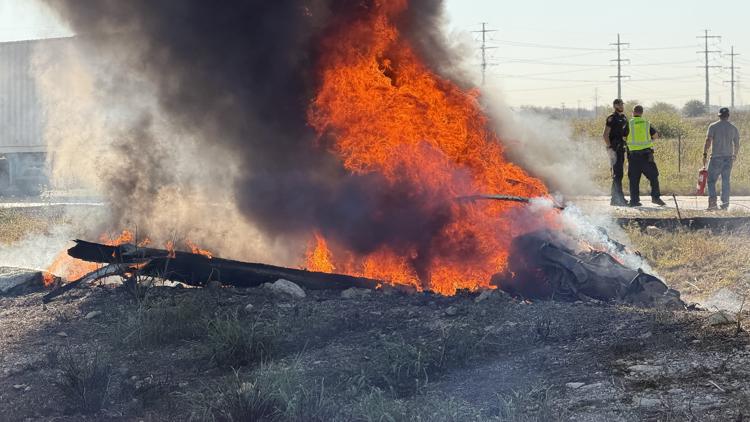
```json { "content": "
On a seemingly ordinary day, 67-year-old John Unangst took to the skies, embodying the spirit of adventure that many dream of. But in a tragic turn of events, his flight ended in heartbreak, leaving a community mourning the loss of a beloved figure. The Tarrant County Medical Examiner's Office has identified John Unangst, 67, as the pilot who died in an October 7 plane crash near Hicks Airfield, north of Fort Worth, sending shockwaves through the close-knit aviation community and beyond.
The incident, which occurred on a clear autumn morning, has prompted a thorough investigation by federal authorities. Unangst, an experienced pilot, was at the controls of his single-engine Lancair IV-P, tail number N507P, when the unthinkable happened. His intended destination was David Wayne Hooks Memorial Airport (KDWH) near Houston, a routine flight for many general aviation enthusiasts.
According to a preliminary report released on October 26 by the National Transportation Safety Board (NTSB), the aircraft departed Hicks Airfield (T67) at approximately 10:20 AM. Visual flight rules (VFR) conditions prevailed, indicating clear skies and good visibility, as confirmed by National Weather Service data for the area that day. These conditions typically offer pilots optimal flying environments, making the subsequent events all the more perplexing and tragic.
Witnesses on the ground reported seeing the Lancair IV-P flying at a low altitude, its engine sputtering erratically. Their accounts painted a harrowing picture: the aircraft then nose-dived into a wooded area, followed by a significant post-impact fire. The rapid sequence of events left little time for intervention or recovery, underscoring the sudden and catastrophic nature of the failure.
Crucially, air traffic control records indicate that Mr. Unangst made a distress call, reporting an \"engine out\" situation. This brief, urgent communication was the last heard from the seasoned pilot, confirming the mechanical failure that led to the crash. The NTSB's preliminary findings strongly suggest engine failure as the primary cause, a critical detail that will guide the ongoing investigation.
The loss of John Unangst resonates deeply within the Arlington community, where he was not just a pilot but a cherished neighbor and friend. His passion for flying was well-known, a pursuit he embraced with dedication and skill. Friends remember him as a mentor, always willing to share his knowledge and inspire young aviators to reach for the skies, much like he did.
Mr. Unangst's life exemplified the spirit of individual pursuit and community engagement. His kindness and unwavering spirit touched many, leaving a void that extends beyond the aviation world. In times of such profound loss, the strength of family and community bonds becomes paramount, offering solace and support to those grappling with grief. The Tarrant County Medical Examiner's Office confirmed his identity, allowing his loved ones to begin the difficult process of mourning.
The aviation community, particularly those who frequented Hicks Airfield, has expressed profound sorrow. Many pilots and enthusiasts view their shared passion as a unique brotherhood, built on trust, skill, and a mutual love for the freedom of flight. The news of Mr. Unangst's passing has prompted reflections on aviation safety and the inherent risks, even for the most experienced pilots.
John Unangst was a man who understood the value of commitment, not just to his passions but to the people around him. While the details of his personal life are private, his public persona as a kind and dedicated individual speaks volumes. Such a life, lived with purpose and supported by a loving network of family and friends, is a testament to the enduring American ideal of building a stable, fulfilling household and contributing positively to one's community.
The Lancair IV-P is a high-performance, kit-built experimental aircraft. These types of planes, while offering incredible speed and capabilities, come with a unique set of considerations. Unlike certified production aircraft, experimental planes are often built by individuals or small teams, and their operational history can vary widely. The Experimental Aircraft Association (EAA) provides extensive resources and support for builders and pilots of such aircraft, emphasizing rigorous construction and maintenance standards.
The NTSB's investigation will delve into the specific maintenance history of N507P and Mr. Unangst's operational practices. While experimental aircraft offer a unique avenue for innovation and personal achievement in aviation, they also demand an elevated level of pilot proficiency and meticulous attention to detail in their upkeep. The Aircraft Owners and Pilots Association (AOPA) consistently advocates for robust training and safety protocols for all pilots, especially those operating specialized aircraft.
The NTSB's investigation is a meticulous process, typically taking 12 to 24 months to produce a final report. This comprehensive inquiry will involve examining wreckage, reviewing maintenance records, interviewing witnesses, and analyzing flight data. The Federal Aviation Administration (FAA) is also involved, providing technical assistance and regulatory oversight. Their combined efforts aim not only to determine the cause of this specific tragedy but also to identify any systemic issues that could prevent future accidents.
For the community of Arlington, Texas, and the broader aviation world, the focus now shifts to supporting Mr. Unangst's loved ones and learning from this incident. While the skies may seem a little emptier over Hicks Airfield and David Wayne Hooks Memorial Airport, the legacy of John Unangst as a passionate aviator and a cherished member of the community will undoubtedly endure. The NTSB's Aviation Accident Database serves as a vital resource for understanding past incidents and informing future safety measures.
As the sun sets over the North Texas landscape, the memory of John Unangst and his love for flight serves as a poignant reminder of life's fragility and the importance of pursuing one's passions with dedication and care. His story encourages us all to cherish our loved ones, support our communities, and embrace the spirit of adventure, even as we acknowledge its inherent risks. The Longhorn Current extends its deepest condolences to Mr. Unangst's family and friends during this difficult time.
", "imageAlt": "Aerial view of Hicks Airfield under clear skies", "imageAlts": [ "Aerial view of Hicks Airfield, a busy general aviation airport north of Fort Worth, Texas.", "A high-performance Lancair IV-P experimental aircraft soaring through clear blue skies.", "NTSB investigators examining wreckage at a wooded aircraft crash site." ], "imageSearchTerms": [ "Hicks Airfield aerial view", "Lancair IV-P in flight", "NTSB investigators at crash site" ], "metaDescription": "A 67-year-old pilot died in an Oct. 7 plane crash near Hicks Airfield, north of Fort Worth. The NTSB is investigating the engine failure.", "externalLinks": [ { "url": "https://www.ntsb.gov", "text": "National Transportation Safety Board (NTSB)" }, { "url": "https://www.weather.gov", "text": "National Weather Service" }, { "url": "https://www.tarrantcounty.com/en/medical-examiner.html", "text": "Tarrant County Medical Examiner's Office" }, { "url": "https://www.hicksairfield.com", "text": "Hicks Airfield" }, { "url": "https://www.eaa.org", "text": "Experimental Aircraft Association (EAA)" }, { "url": "https://www.aopa.org", "text": "Aircraft Owners and Pilots Association (AOPA)" }, { "url": "https://www.faa.gov", "text": "Federal Aviation Administration (FAA)" }, { "url": "https://www.arlington.org", "text": "Arlington, Texas" }, { "url": "https://www.airnav.com/airport/T67", "text": "Hicks Airfield"By Carmen Silva
By Carmen Silva

By Carmen Silva

By Gregory White