Sports
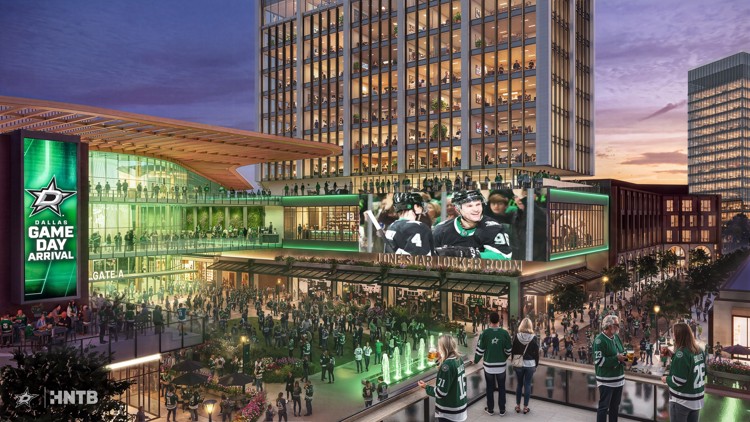
Texas election result: Plano voters make decision on referendum for new Dallas Stars Arena
By Tanya Johnson
Advertisement · Why this ad?
Tanya Johnson, a graduate of Texas A&M University, has spent the last eight years covering high school and collegiate sports in the Arlington area. Her previous experience at the Arlington Advocate helped her develop a deep understanding of the local sports culture and community pride.
More from Tanya →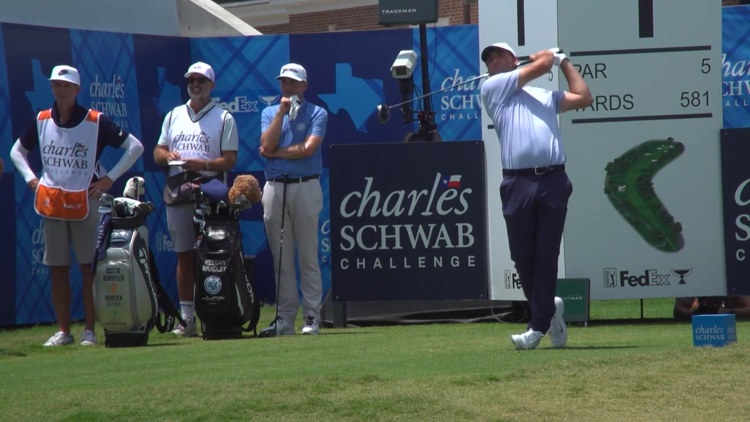
On a warm spring morning at Colonial Country Club in Fort Worth, the iconic statue of Ben Hogan stands as a testament to the rich history of golf in North Texas. As local golfers and longtime fans gather on the lush fairways, a cloud of uncertainty looms over the club’s future. After more than 80 years of hosting the prestigious PGA Tour event, the club faces the real possibility of losing its marquee tournament when the Tour’s new two-tier model kicks in starting in 2028. This potential change threatens not only the legacy of Colonial but also the economic and community vitality that the event has fostered for generations.
In a move that’s stirring debate across the golf world and beyond, the PGA Tour announced a significant restructuring plan aimed at modernizing the sport and increasing its global appeal. Central to this plan is the introduction of a two-tier system, which will differentiate between the established, high-profile tournaments and a new category of events designed to foster emerging talent. Starting in 2028, this model could see traditional stops like Colonial lose their status as premier events, potentially relegating them to a secondary tier or removing them altogether from the Tour schedule.
For Fort Worth and the surrounding Arlington area, this news hits close to home. Colonial Country Club, founded in 1936, has been a cornerstone of Texas golf, hosting the PGA Championship and numerous other major tournaments. Its storied history is intertwined with legends like Ben Hogan, whose statue outside the clubhouse pays homage to a golfer whose career was shaped on these very grounds. The club’s future as a tournament host is now uncertain, raising questions about the economic impact on local businesses and the community’s identity as a hub for elite golf.
The announcement has sparked a wave of concern among local residents, business owners, and golf enthusiasts. Many worry that losing the tournament could diminish the city’s reputation as a premier golf destination, affecting tourism, hospitality, and retail sectors that thrive during tournament season. Local chambers of commerce, including the Fort Worth Chamber, have begun mobilizing to understand the implications and advocate for the community’s interests.
Fort Worth’s economy benefits significantly from the tournament; hotels, restaurants, and retail stores see a surge in visitors during the event, which draws thousands of spectators from across the country and around the world. The tournament’s presence has also helped elevate the city’s profile as a global sports destination, hosting not only golf but other major sporting events and conventions. Losing the PGA event could have ripple effects, potentially leading to reduced tourism revenue and a decline in the city’s international reputation as a sports hub.
Local golf legend and Fort Worth native Jordan Smith, who grew up playing at Colonial, expressed his concerns. “This tournament isn’t just about golf; it’s part of our community’s identity,” he said. “Losing it would feel like losing a piece of our history.” Smith, a PGA Tour player himself, has often spoken about how Colonial shaped his career and inspired his love for the game.
Similarly, longtime club member and local businessman Mark Reynolds emphasized the economic stakes. “During tournament week, our city comes alive. Small businesses, hotels, and restaurants depend heavily on the influx of visitors. We need to find a way to preserve this tradition,” he said.
The PGA Tour has indicated that discussions are ongoing with various stakeholders, including Colonial’s management, local government officials, and community leaders. The Tour has also emphasized its commitment to maintaining the tournament’s legacy, though specifics about how or if Colonial will be affected remain unclear.
Local officials are exploring options to support the club and the community. Fort Worth Mayor Mattie Parker has publicly stated her desire to see the tournament continue in some form, whether through negotiations with the PGA Tour or by developing alternative events that could fill the gap if the traditional stop is lost.
Meanwhile, Colonial’s leadership is considering options to adapt to the changing landscape. Some speculate that the club might seek to host a different type of event or collaborate with other tournaments to preserve its place in the golf world. The club’s history of innovation and resilience suggests that it will actively seek solutions to maintain its status as a golf icon.
Colonial’s history is deeply woven into the fabric of American golf. The course has witnessed legendary moments, including Ben Hogan’s victories and the tournament’s role in shaping golf in Texas. Hogan’s statue outside the clubhouse remains a symbol of the club’s storied past and its contributions to the sport.
Looking ahead, the community faces a pivotal moment. The potential loss of the tournament could serve as a catalyst for broader conversations about preserving local sports traditions amid national changes. Community leaders, sports fans, and residents are united in their hope that a solution can be found to keep Colonial at the forefront of professional golf.
As negotiations unfold, many are calling for innovative approaches—perhaps a hybrid model that combines traditional tournaments with emerging formats, or new partnerships that can sustain the club’s legacy. The story of Colonial is not just about golf; it’s about community pride, economic resilience, and the enduring spirit of a city that values its history and its future.
Additionally, residents should consider how they can support local sports and cultural initiatives that reinforce Fort Worth’s identity as a vibrant, resilient city. The story of Colonial’s future is still being written, and community involvement will be key to shaping its next chapter. Watching how the city and Colonial respond to these changes could offer insights into broader trends affecting sports, tourism, and community cohesion across North Texas.
By Tanya Johnson
By Tanya Johnson
By Jamal Robinson

By Tanya Johnson