Schools
Six Dallas ISD schools potentially face closure amid budget deficit and low enrollment
By Ella Fitzgerald
Advertisement · Why this ad?
Linda Martinez has spent over 15 years in journalism, earning her degree in Journalism from the University of Texas at Austin. Before joining Arlington Current, she was the City Editor at the Fort Worth Star-Telegram, where she honed her skills in local governance and community engagement. Linda's passion for Arlington drives her commitment to uncovering the stories that matter most to residents.
More from Linda →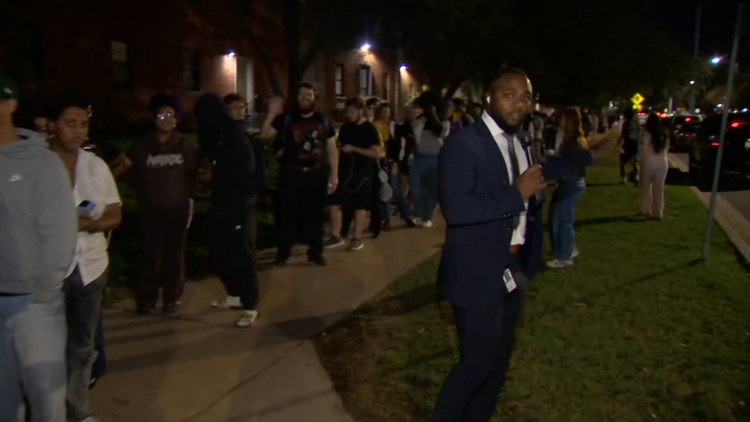
As the sun dipped below the horizon on a brisk November evening, students at the University of North Texas stood shoulder to shoulder, their faces a mix of excitement and anxiety. The lines snaked across the campus, a testament to civic engagement, as they waited patiently to cast their votes in the midterm elections. For many, this was not just a duty but a rite of passage—one that would shape their future and the future of their communities.
On November 8, 2022, voters in Denton and Collin counties faced significant delays as they arrived at polling stations to exercise their democratic rights. Reports indicated that many experienced waits of up to 45 minutes as they navigated the lines that formed outside various voting locations. This was particularly evident at the University of North Texas, where students rallied to make their voices heard.
The long wait times sparked conversations about the accessibility of voting in Texas, especially among younger voters who are often less familiar with the process. As the clock ticked down to closing time, the urgency of the moment was palpable, with many students determined to ensure their votes counted.
The community's response to the long lines was a mix of frustration and determination. Many voters expressed their concerns on social media, with hashtags like #Vote2022 trending as people shared their experiences. One UNT student, Maria Gonzalez, shared her thoughts: "I waited in line for nearly an hour, but I wouldn’t have it any other way. This is our future at stake, and every vote matters."
Gonzalez, a political science major, emphasized the significance of this election for her generation, stating, "We’re the ones who will be living with the consequences of these decisions, so it’s crucial that we participate." Her sentiment was echoed by many of her peers, who expressed similar views on social media platforms.
Others echoed Gonzalez's sentiments. Michael Thompson, a recent graduate, remarked, "It’s frustrating to wait, but it’s a small price to pay for the privilege of voting. I believe in the power of our voices to create change." Such statements reflect a broader trend of increased civic engagement among younger generations, who are stepping up to participate in the democratic process.
Local officials also weighed in on the situation. Denton County Elections Administrator, Frank Phillips, stated, "We anticipated higher turnout this year, but the lines indicate just how committed our community is to participating in the electoral process. We’re working to improve the experience for future elections." He added that they are reviewing the data from this election to better prepare for the next one, which he hopes will include more resources and staff at polling locations.
These long wait times are not just a logistical issue; they symbolize the growing interest in local and national politics, especially among younger voters. According to the National Association of Secretaries of State, voter turnout among those aged 18-29 increased significantly compared to previous midterm elections. This trend is heartening, as it suggests that young people are increasingly aware of their power to influence the future.
However, the challenges faced at the polls raise important questions about accessibility and the overall voting experience. In a time when every vote counts, it’s crucial that voters can access polling places without undue burden. As communities like Denton and Collin counties continue to grow, local officials must prioritize making the voting process smoother and more efficient for everyone.
Additionally, local organizations such as the League of Women Voters and various student-led initiatives have been actively working to engage voters. They organized workshops prior to the election to educate voters about their rights and the voting process, aiming to demystify the experience for first-time voters. These workshops included mock voting sessions and presentations from local leaders who shared their insights on the importance of participation.
As the dust settles from the midterm elections, the focus shifts to the future of voting in Texas. Local leaders are already discussing potential reforms to enhance the voting experience, including expanding early voting hours and increasing the number of polling locations. These changes could alleviate the long lines and ensure that every voice is heard without the stress of waiting.
Moreover, community organizations are stepping up to educate voters about their rights and the voting process. Initiatives like Vote.org are working tirelessly to provide resources and information, ensuring that residents are well-equipped to make their voices heard in future elections. Local leaders are also calling for more funding to support these initiatives, recognizing that an informed electorate is essential for a thriving democracy.
Looking beyond the immediate aftermath of the election, it’s vital for educators and community leaders to continue fostering a culture of civic engagement among younger generations. Schools and universities can play a pivotal role by integrating civic education into their curricula, encouraging students to understand the importance of their participation in democracy.
Local high schools, for instance, have started programs to allow students to register to vote as soon as they turn 18, promoting a seamless transition into civic participation. Additionally, mentorship programs that connect students with local leaders can inspire them to take an active role in their communities, further igniting their passion for civic involvement. Programs such as these not only help students understand the voting process but also encourage them to become advocates for change, fostering a sense of responsibility toward their communities.
The long lines at polling places during the midterm elections serve as a reminder of the power of civic engagement and the importance of every vote. As residents of Denton and Collin counties reflect on their experiences, they can take pride in their commitment to democracy. The challenges faced this year can serve as a catalyst for change, paving the way for a more accessible and efficient voting process in the future. Together, as a community, we can work towards ensuring that every voice is heard and valued in the electoral process. The lessons learned from this election cycle will undoubtedly shape the future of voter participation in Texas, encouraging ongoing dialogue about how to improve the electoral experience for all.
By Ella Fitzgerald

By James Thompson
By Carlos Mendez
By Fatima Rogers